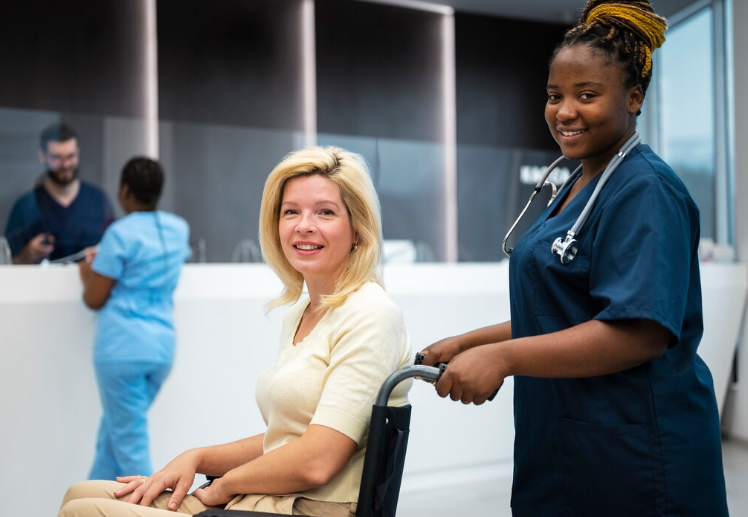
Dreaming about moving to the US for work isn’t just wishful thinking anymore—especially when you hear about carer jobs promising $95,000 or more, plus visa sponsorship. Sounds amazing, but let’s be real: is it actually doable?
Honestly, the truth is somewhere in between. There’s plenty of demand for carers in the US, and there are roles out there that pay well, but getting one of those jobs isn’t as easy as just clicking ‘apply’. You’ve got hoops to jump through: understanding how everything works, meeting requirements, and avoiding some traps along the way.
Let’s cut through the hype and make this clear.
What Carer Jobs Actually Look Like in the US
Carers here help people who aren’t able to manage on their own—think elderly folks, people with disabilities, or someone recovering from surgery. The work is more than just “doing chores”. It’s often deeply personal, sometimes tough physically, and can be emotional too.
You might spend your day bathing a client, fixing meals, sorting out medications, or just keeping someone company. Some carers are almost like family to their clients. You’ve got options: some carers work in private homes, sometimes living in with their clients. Others are in nursing homes, assisted living centres, or hospitals. Live-in roles are a big draw for overseas workers—some employers even toss in free housing and meals.
Why are these jobs everywhere? America’s population is ageing fast, and there just aren’t enough workers locally. This opens the door for foreigners.
Can Foreigners Land US Carer Jobs with Sponsorship?
Yes, it happens—but it’s not nearly as simple as the ads online claim. Visa sponsorship means a US employer is willing to back your work permit, pay legal fees, and deal with the paperwork. That’s a big ask, and not every boss is up for it.
There are a few types of visas: the EB-3 is the most common for carers and offers a shot at permanent residency, but it’s a slow process. The H-2B exists, but it’s more of a short-term fix. Here’s something you won’t see plastered on job ads: not all carer jobs even come with sponsorship. In fact, most don’t. Employers usually want people already in the US because it’s easier and quicker.
So yeah, sponsorship is real, but you’re going to need patience and a solid plan to make it happen.
Is $95K+ Really the Starting Pay for Immigrants?
Time for a reality check. Most carers in the US make nowhere near $95,000 a year. Entry-level jobs are really $25,000-$40,000. So where’s the big number come from? Some carers do pull in six figures, but those are rare—think working with wealthy clients, having years of experience, or advanced medical training. Big states like California or New York pay more, but everything there costs more too.
Overtime boosts earnings for live-in carers who work round the clock, but that’s not the usual situation. Bottom line: $95K is possible, but don’t count on it when you start out.
What You Need to Get Hired as a US Carer
- You need the basics—usually a high school diploma. More training helps.
- Certifications up your game: CNA (Certified Nursing Assistant), HHA (Home Health Aide), and CPR credentials matter. Some employers won’t even look at you without them.
- You’ve got to be able to speak English well enough to understand instructions and talk to clients and healthcare staff. Doesn’t have to be perfect, just clear.
- Background checks are standard, and you’ll probably need a medical exam to show you’re healthy enough for the job.
- Meeting these requirements doesn’t guarantee you’ll get hired, but skipping them almost guarantees you won’t.
Finding a Carer Job That Actually Offers Sponsorship
Ready to hunt? Start by searching trusted sites—Indeed, Glassdoor, LinkedIn. Use keywords like “carer visa sponsorship USA” or “EB-3 carer jobs.” But don’t just hit ‘apply’ to everything. Check out each employer and do your homework. Some big healthcare firms and care agencies hire foreigners, but their process is slow.
Recruitment agencies can help, especially those focused on international jobs. Be careful, though: if they ask for huge fees up front or promise the moon, walk away. Sometimes, reaching out directly to employers works out even better. Tailor your resume, send it over, follow up—that added effort sets you apart.
Here’s How to Apply as a Foreigner
- First, put together a US-style resume. Keep it clean and focused on care work—certifications, skills, volunteer gigs, anything relevant.
- Craft a cover letter that’s honest and shows why you really want the job and why you’re right for it.
- If you land an interview, prep for practical questions. Employers aren’t interested in textbook answers—they want to know how you’ll actually handle tough situations.
Once you score an offer, the visa process starts. It’s slow. Don’t get discouraged.
Where Are the Best States for Jobs?
California, Texas, Florida, and New York—these are the big ones. Lots of people, more elderly residents, so plenty of caregiver jobs. But remember, high demand comes with stiff competition and higher living costs. Sometimes, applying in smaller or less popular states can give you a better shot, so keep your options open.
What’s Good About Being a Caregiver in the US?
Carers usually have steady jobs because the need is constant. Overtime can bump up your income. Live-in jobs sometimes come with free room and meals, which cuts down your costs—a huge plus if you’re new here. Getting in through a visa like EB-3 can put you on the path to permanent residency, opening more doors in the long run.
Mistakes Immigrants Make
- Watch out for scams. If someone’s offering big money or guaranteed jobs and asking for payment first, it’s almost always fake.
- Incomplete paperwork is another thing. Employers skip over half-done applications.
- Don’t ignore visa rules or try working without proper documents. That will mess up your chances down the road.
- Shortcuts sound tempting, but they usually leave you stuck.
Challenges Foreign Caregivers Often Face in the USA
Sure, working in the U.S. as a caregiver comes with real opportunities—but plenty of hurdles, too, especially if you’re new to the country.
Let’s start with the culture shock. The American workplace can feel like a whole new world depending on where you’re from—right down to the way people communicate, the expectations at work, and how managers show approval or give criticism. For example, a lot of employers expect you to take the initiative and work independently, sometimes even when you’re not used to that kind of freedom.
There’s also the emotional side of caregiving. This job isn’t just about helping someone get dressed or making meals. Some days, you might look after someone who’s very sick, feeling isolated, or facing their final days. That can hit you hard if you’re not ready for it.
Then there’s the workload. Live-in caregiver jobs, especially, can mean long days and not much privacy. Even when you’re “off the clock,” you’re usually just down the hall if you’re needed. That’s why it’s smart to sort out working hours and expectations before you say yes to any job.
And, let’s be honest, the visa process alone is a challenge. Lots of paperwork, plenty of waiting around, and sometimes months or even years between applying and finally getting approved.
Knowing all this isn’t meant to scare you away—it just means you’ll know what to expect, and you’ll have a better shot at handling whatever comes up.
Tips to Increase Your Chances of Getting Sponsored
If you’re serious about landing a caregiver job with visa sponsorship, you need to make yourself stand out. Start by building up real experience. Even if you’ve only cared for family members or helped out in your community, that time counts—just make sure you explain it clearly when you’re applying.
Getting certified is a huge plus, too. Earning a CNA or HHA certificate shows employers you’re not just serious about the job—you’re also ready to start. Think about specializing. Most people apply as general caregivers, but if you’re trained in areas like dementia care, disability support, or post-surgery recovery, you instantly stand out from the crowd.
Don’t skip networking. Join online groups, forums, and connect with others on LinkedIn who already work in U.S. caregiving. You’ll learn a ton, and sometimes, get job tips that aren’t posted anywhere else. Also—don’t get discouraged if you don’t hear back right away. Most people have to send out a lot of applications before one works out. Consistency is your friend here.
Documents You’ll Likely Need During the Process
Get your documents together early—it’s way less stressful than scrambling later.
- You’ll need a valid passport. Make sure it won’t expire soon, because that can hold up your application.
- Put together your school certificates and any documents that show you’re certified in caregiving. If your papers aren’t in English, get them translated by a professional.
- You’ll want to put your best foot forward with a solid resume. Focus on your hands-on caregiving work—and any extra skills or training you have.
- You may also need medical records to prove you’re healthy enough for the job. And some employers ask for proof of vaccinations, especially these days.
- A police report or background check is pretty standard, too. Since you’ll be working with people who might be vulnerable, employers want to know you have a clean slate.
Having all these in order helps you look sharp and ready when the right opportunity pops up.
Alternative Pathways to Enter the Caregiving Field in the USA
If getting a job with direct visa sponsorship feels impossible, there are other ways in. Some try coming to the U.S. as a student first, then move into caregiving after their studies—especially if they focus on health-related courses. You can also try exchange programs. Au pair positions, for example, give you a chance to live with a family, take care of kids or elderly relatives, and get experience—plus a place to stay.
Others might enter the U.S. with a different job first, then switch to caregiving once they’re authorized to work. It’s not the simplest approach, but it gives you another angle if you have more than one skill set. Bottom line: Keep an open mind. The most direct path isn’t always the one that works, but you can still get there through a side door.
Final Thoughts: What to Expect
Care jobs here can be rewarding, but there’s no quick route to riches. It takes patience, empathy, and stamina. You’ll probably start with modest pay and work your way up. Sponsorship takes time and paperwork—don’t let that scare you off. If you stick with it, real opportunities can open up.
Is it worth it? Depends on what you’re chasing. If you want stable work and long-term chances and you’re ready to put in the work, yes—it can be a great path. Just go in with your eyes open, set realistic expectations, and have a plan. That’s how you make it work.